
Plants
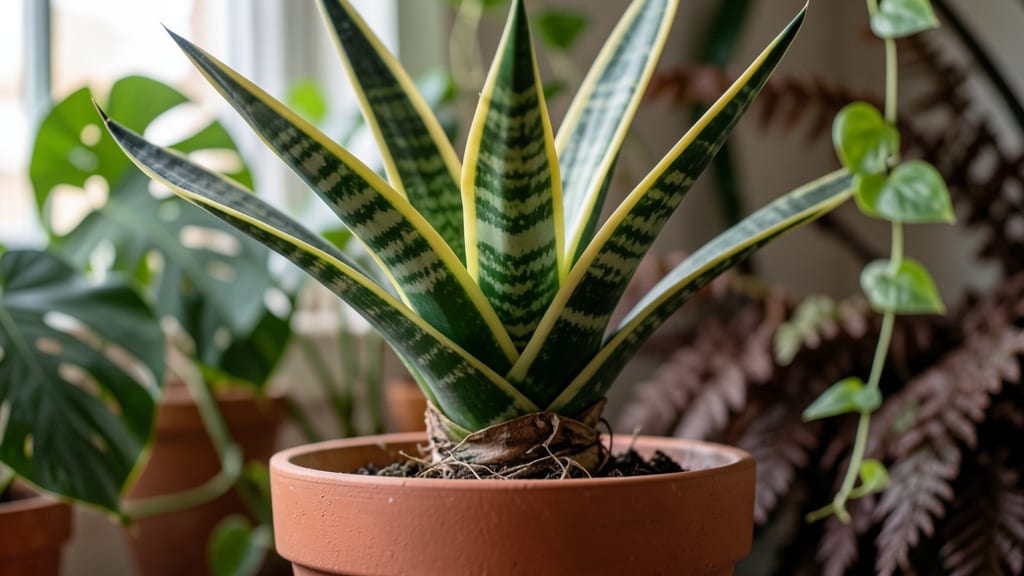
Wondering how tall does a snake plant grow before it becomes a full-grown statement piece in your home? This resilient 🌱 can surprise you—some varieties stay compact enough for a nightstand, while others stretch toward the ceiling like a vertical sculpture.
If you're dreaming of a low-maintenance green companion, the answer depends entirely on the variety you choose. The classic 'Mother-in-Law's Tongue' typically reaches 3 to 4 feet indoors, but dwarf types like 'Futura Superba' max out around 1 to 2 feet—perfect for small spaces.
The key? Light exposure and pot size play huge roles in whether your snake plant stays modest or goes full skyscraper.
Here's the good news: even if you end up with a towering beauty, managing its height is easier than you think. With a few simple care tweaks—like strategic pruning or choosing the right container—you can keep your snake plant at your ideal height.
Let's break down the specifics so you can pick the perfect variety and size for your space.
Whether you're a first-time plant parent or a seasoned collector, understanding these growth patterns will help you create the exact look you want—without any unexpected surprises. Ready to find out which snake plant will fit your home best?


Snake plant height by variety: from compact to towering
Snake plants (Sansevieria trifasciata, also called Mother-in-Law’s Tongue) are famously versatile, but their mature height varies dramatically depending on the variety and growing conditions. Some stay compact enough for windowsills, while others reach towering heights of over 4 feet in ideal settings.
Understanding these differences helps you choose the perfect plant for your space—whether it’s a small apartment or a sunny garden corner.
Most snake plants grow vertically over time, with their rigid, upright leaves forming striking architectural shapes. The growth rate is typically slow to moderate, meaning you won’t see dramatic changes overnight, but with proper care, some varieties can double in height within 3–5 years.
Let’s explore the height ranges of the most popular varieties so you can plan your garden or indoor layout accordingly.
🌱
| Variety | Mature Height | Growth Rate | Best For |
|---|---|---|---|
| 'Mother-in-Law’s Tongue' (Standard) | 3–4 ft (90–120 cm) | Moderate (6–12 inches/year) | Indoor statement plants, gardens |
| 'Futura Superba' | 2–3 ft (60–90 cm) | Slow (4–8 inches/year) | Small spaces, offices |
| 'Moonshine' | 1.5–2.5 ft (45–75 cm) | Moderate (5–10 inches/year) | Baskets, hanging planters |
| 'Hahnii' (Bird’s Nest) | 6–12 inches (15–30 cm) | Very slow (1–3 inches/year) | Desk plants, terrariums |
| 'Laurentii' | 2.5–4 ft (75–120 cm) | Moderate (6–12 inches/year) | Large rooms, outdoor borders |
| 'Golden Hahnii' | 8–16 inches (20–40 cm) | Slow (2–5 inches/year) | Tabletop displays, shelves |
| 'Twisted Sister' | 2–3 ft (60–90 cm) | Moderate (5–10 inches/year) | Indoor collections, green corners |
| 'Black Gold' | 3–4 ft (90–120 cm) | Slow to moderate (4–8 inches/year) | Dramatic indoor accents |
As you can see, the 'Hahnii' variety stays tiny and bushy, making it perfect for desk gardens, while 'Laurentii' and 'Black Gold' can become floor-length giants in just a few years.
If you’re growing snake plants outdoors, they often reach their maximum height faster due to more sunlight and space. In contrast, indoor plants may grow slower unless placed in a bright, south-facing window.
One key factor influencing height is the pot size. Snake plants in small pots (like 6-inch containers) stay shorter and bushier, while those in large pots (12+ inches) can grow taller and leaner.
This is because the roots have more room to anchor deeper, encouraging vertical growth. If you’re aiming for a compact plant, choose a smaller pot and prune regularly to encourage branching.
🌿
Another misconception is that snake plants grow only upward. In reality, they can branch out if given
How to control snake plant height: pruning, repotting & light tips
Managing your snake plant’s height is easier than you think—especially since these plants grow slowly. The key is understanding how light exposure, pot size, and pruning techniques influence vertical growth. I’ve found that even the tallest varieties can stay manageable with a few simple adjustments.
If your snake plant is reaching for the ceiling, it’s likely craving more light or has outgrown its container. These plants naturally grow taller when stretched toward bright indirect light, but you can control their height by adjusting their environment and care routine.
Visual Tip: Place your snake plant near an east-facing window for balanced growth. Avoid south-facing windows unless you provide afternoon shade—too much direct sun can stress the leaves and encourage rapid, leggy growth.
🌱 Pro Tip: Prune for Bushier Growth
Use clean, sharp pruning shears to trim yellow or damaged leaves at the base. For a fuller look, cut back overly tall leaves by 1/3—this encourages new shoots to grow from the base, creating a denser plant.
💡 Best Time: Early spring or after repotting
Repotting is another game-changer for height control. If your snake plant has been in the same pot for years, its roots may be circling, which can stunt growth or cause the plant to grow too tall too quickly.
Choose a pot that’s only 1-2 inches wider than the current one—this prevents overgrowth while giving roots room to spread.
For compact varieties like 'Hahnii' or 'Futura Superba', use a smaller pot (6-8 inches wide) to keep them manageable. Larger varieties like 'Moonshine' or 'Golden Hahnii' can handle slightly bigger pots (10-12 inches) but still benefit from regular pruning to maintain shape.
Light is the most critical factor in controlling height. If your snake plant is growing too tall, it’s likely not getting enough light. Move it to a brighter spot—even a well-lit corner with artificial grow lights can work.
For shorter, bushier growth, rotate the pot every few weeks so all sides receive even light.
Remember, snake plants are low-maintenance—they’ll forgive occasional neglect. But if you want to keep them at your desired height, consistency in light exposure, pruning, and repotting will make all the difference.
With these tips, you can enjoy a snake plant that fits perfectly in your space, whether you prefer a tabletop size or a floor-standing statement piece.