
Plants
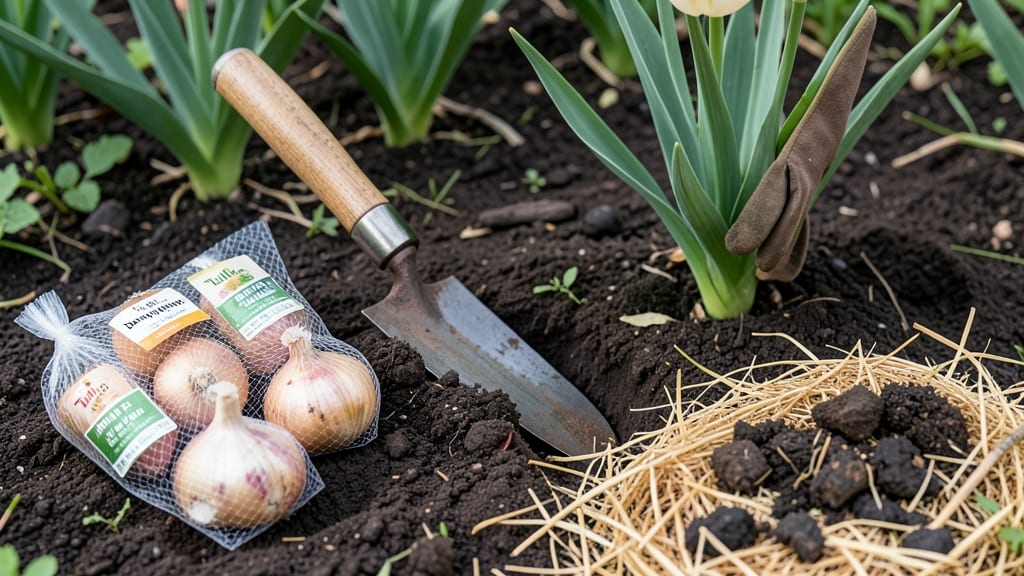
Planting tulips at the wrong time in Tennessee can leave you staring at bare soil when spring arrives—no vibrant blooms in sight. The ideal window for planting these 🌷 showstoppers falls between October and November, when Zone 7a's soil cools and frost looms.
Missing this deadline? Don’t panic—we’ll cover late-winter workarounds too, so you still get those dreamy spring displays.
Why does timing matter so much? Tulips need 4-6 weeks to establish roots before winter sets in, and Tennessee’s first frost typically arrives by mid-October. Plant too early, and bulbs may sprout prematurely; too late, and they won’t have enough time to anchor before freezing.
The key is balancing soil temperature and frost dates—something we’ll break down with localized guidelines for East vs. West Tennessee.
Beyond deadlines, preparing your soil is just as critical. Tennessee’s clay-heavy earth can suffocate bulbs if not amended properly, and we’ll walk through drainage fixes, pH adjustments, and mulching techniques to ensure your tulips thrive.
Whether you’re a first-time gardener or a seasoned green thumb, these steps will set you up for bold, healthy blooms come April.
Ready to transform your garden? Let’s dive into the exact planting schedule, soil prep secrets, and variety recommendations that will make your tulips the envy of the neighborhood. Your spring color palette starts now—just 6-8 inches deep in the right spot!
Best planting windows for Tennessee tulips (Zone 7a guidelines)
Tulips in Tennessee thrive when planted in fall, specifically between mid-October and November. This timing aligns with Zone 7a's first frost dates, ensuring bulbs establish roots before winter dormancy. Missing this window? Don’t panic—late winter planting (February) can still yield blooms, though with slightly reduced vigor.
For peak performance, aim to plant 4-6 weeks before the ground freezes. In Tennessee’s climate variability, this typically means early October in the western regions (like Nashville) and late October in the cooler eastern areas (like Knoxville). Always check your local last frost date for precision.
Soil temperature is your best friend here. Tulip bulbs need 40-50°F soil to start rooting. Use a soil thermometer to confirm—planting too early (when soil is still warm) can trigger premature sprouting, while waiting too long risks bulbs not rooting before frost.
| Planting Window | Soil Temp | Tennessee Regions | Key Notes |
|---|---|---|---|
| October 1-15 | 50-60°F | West TN (Nashville, Memphis) | Ideal for early blooms; soil cools faster |
| October 15-31 | 40-50°F | East TN (Chattanooga, Knoxville) | Best for cooler microclimates; extends rooting time |
| November 1-15 | 35-45°F | All regions (late planting) | Risk of frost before rooting; use mulch |
| February (late winter) | 40°F+ | All regions (emergency planting) | Blooms may be delayed; needs consistent moisture |
If you missed the fall window, February planting is your backup. Choose hardy varieties like Darwin Hybrids, which tolerate Tennessee’s unpredictable springs. Water deeply after planting to encourage root growth, and protect bulbs with 2-3 inches of mulch to insulate against late frosts.
Pro tip: Label your bulbs with planting dates. This helps track which varieties bloom earliest (like Parrot tulips) versus later (like Fringed tulipshumid climate, early bloomers often fade before late varieties even open!
For container gardening, plant tulips in well-draining pots by the same deadlines. Use a lightweight potting mix with perlite to prevent soggy roots. Containers warm up faster than garden beds, so adjust your planting timeline 1-2 weeks earlier to match soil temperature goals.
Watch for squirrel raids—these Tennessee locals adore tulip bulbs! Bury bulbs 8 inches deep or use chicken wire cages to deter wildlife. In urban areas, even raccoons may dig up newly planted bulbs, so secure your garden beds with hardware cloth until roots establish.
After planting, skip fertilizing until spring. Tulips store energy in their bulbs, and fall feeding can encourage weak stems or fewer blooms. Instead, focus on mulching with straw or shredded leaves to insulate roots and retain moisture during Tennessee’s variable winters.
Timing isn’t just about dates—it’s about observing your microclimate. A south-facing slope in East Tennessee may warm up faster than a north-facing yard in Middle TN. Use these observations to fine-tune your planting schedule year after year for show-stopping tulips.
Best planting windows for Tennessee tulips (Zone 7a guidelines)
Tennessee’s Zone 7a climate demands precise timing for tulip planting—miss the window, and you risk weak blooms or no flowers at all. The ideal time is 6-8 weeks before the ground freezes, which typically lands in early October for most of the state.
This timing ensures bulbs establish roots before winter dormancy.
For East Tennessee (higher elevations like Knoxville), aim for late September to early October when soil temps drop below 60°F. In West Tennessee (Memphis area), you’ve got until mid-October thanks to slightly warmer microclimates. Always check your last frost date—Tennessee’s average is mid-April.
🌱 Tulip Planting Timeline for Tennessee
| Stage | Action | Zone 7a Deadline |
|---|---|---|
| Soil Prep | Amend clay soil with compost | September |
| Planting Window | 6-8" deep, 4-6" apart | Early Oct (East TN) - Mid Oct (West TN) |
| Mulching | 2-3" organic mulch | After planting |
| Late Planting | Chill bulbs 4-6 weeks | December (with fridge trick) |
If you miss the fall window, don’t panic! Tennessee gardeners can still plant tulips in late winter (February) using a refrigeration trick: Chill bulbs in a plastic bag in your fridge for 4-6 weeks before planting. This mimics natural winter dormancy and tricks bulbs into blooming on schedule.
Pro tip: Use soil thermometers to confirm planting readiness—tulips need 50-60°F soil. In Nashville’s Zone 7a, this usually aligns with mid-October, but early mornings can feel cooler. Plant in full sun locations (6+ hours daily) for maximum bloom power.
For container gardening, plant bulbs in pots by October 1st and place containers in protected spots (like against south-facing walls) to extend the season. Just remember: containers freeze faster than in-ground beds, so add extra mulch.
Timing isn’t just about months—it’s about soil conditions. Tennessee’s clay-heavy soils can stay damp too long, causing rot. Amend with sand or perlite to improve drainage before planting. And always water thoroughly after planting to help roots establish before winter sets in.