
Trees
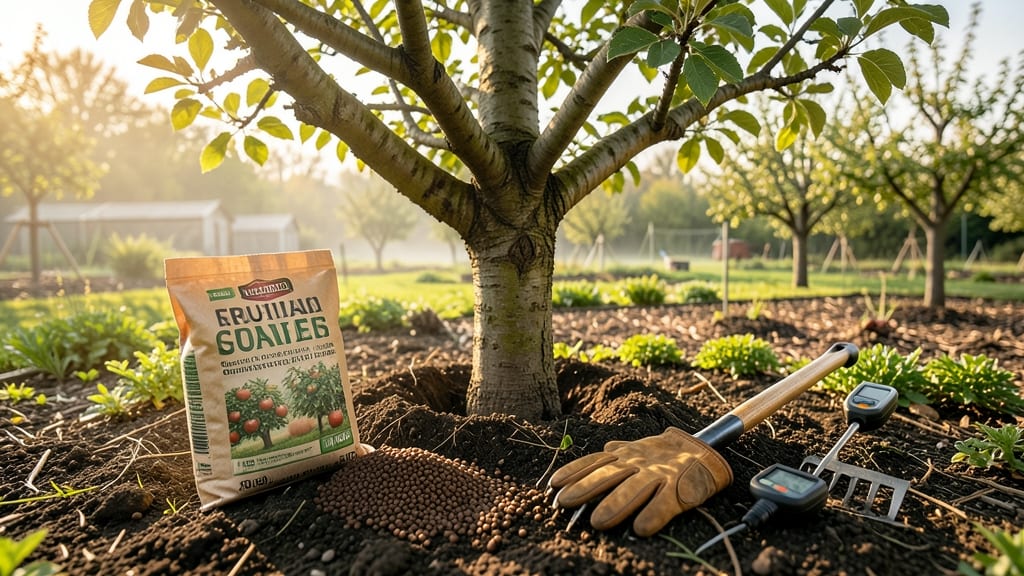
Optimal fertilization timing by fruit tree type and seasonal growth cycles
Fruit trees thrive when fertilized at the right moments—aligning with their natural growth cycles is key to maximizing fruit production and tree health. The best times to fertilize depend on your tree type, climate zone, and whether your tree is young or mature.
For most fruit trees, early spring is the prime window, but citrus and tropical varieties follow slightly different schedules.
Young fruit trees (under 3 years old) need more frequent feeding to establish strong roots and canes. Mature trees, on the other hand, benefit from light, strategic feedings to avoid overstimulation.
In USDA Zone 6a, where frost dates bookend the growing season, timing is critical—fertilizing too late can prevent trees from hardening off before winter.
Here’s how to align fertilization with your tree’s growth phases, from dormancy to harvest:
🌱 Fruit Tree Fertilization Schedule by Season
| Season | Tree Type | Best Time to Fertilize | Key Cues |
|---|---|---|---|
| Early Spring | Apple, Peach, Pear | When buds swell (Feb-Mar) | Soil is workable, no frost risk |
| Late Spring | Citrus, Avocado | After last frost (Apr-May) | New leaves emerging, warm soil |
| Summer | All Types | Post-harvest (Jul-Aug) | Fruit removed, 6-8 weeks before fall |
| Fall/Winter | All Types | Skip fertilization | Promotes dormancy, avoids winter burn |
For apple and peach trees, the early spring feeding (when buds begin to swell) kickstarts growth. This aligns with nature’s cue—trees wake from dormancy and need nutrients to support flowering and fruit set.
A second, lighter feeding in late spring (after petal fall) ensures developing fruits get the nutrients they need.
Citrus trees, however, thrive on a different schedule. They’re evergreens and benefit from monthly feedings during their active growing season (spring through early fall). In Zone 6a, this means fertilizing every 4-6 weeks from April through September, tapering off as temperatures drop.
Over-fertilizing citrus in winter can lead to root burn and reduced cold hardiness.
Regional climate plays a huge role. In warmer zones (8a+), where winters are mild, you might extend fertilization into October. But in colder zones like Zone 6a, stop by mid-September to let trees prepare for dormancy.
Always check your last frost date—fertilizing too close to frost can stimulate late-season growth that won’t harden off properly.
Young trees (ages 1-3) need more frequent but lighter feedings—think of it as training wheels for growth. Use a balanced fertilizer (10-10-10) every 4-6 weeks from spring to early summer.
Mature trees (over 3 years) can handle heavier feedings twice a year: once in early spring and again after harvest. This prevents excess foliage at the expense of fruit, a common mistake that leads to smaller harvests.
One pro tip: Test your soil before fertilizing. Many gardeners assume their soil is nutrient-poor, but over-fertilizing can be worse than under-fertilizing. A simple soil test kit (available at garden centers) will tell you if your trees need nitrogen, phosphorus, or potassium—and how much.
For example, peach trees often need extra zinc, while citrus trees may crave magnesium.
Timing isn’t just about the calendar—it’s about reading your tree. Look for signs like yellowing leaves (nitrogen deficiency) or stunted growth (phosphorus deficiency). These cues tell you when to adjust your fertilization plan.
But remember: less is often more with fruit trees. A little fertilizer goes a long way when applied correctly.
🍎
Signs your fruit tree needs fertilizer (and when to avoid it)
Fertilizing your fruit trees at the wrong time—or not at all—can leave them struggling to produce fruit. One of the first signs your tree needs fertilizer is yellowing leaves, especially on younger leaves.
This often indicates a nitrogen deficiency, which is crucial for leafy growth. Another red flag is stunted growth or sparse foliage, signaling the tree isn’t getting enough nutrients to thrive.
Pay attention to the fruit production too. If your tree flowers but drops them early or produces small, underdeveloped fruit, it may need a phosphorus boost for root and flower development.
Conversely, if your tree is overloaded with leaves but few fruit, it might be getting too much nitrogen and not enough potassium for fruit development.
🌱 When to fertilize: The best times are early spring (just as buds swell) and post-harvest (late summer) to replenish nutrients. These windows align with the tree’s natural growth cycles, ensuring it has energy for the next season.
⚠️ Warning: When NOT to Fertilize
Fertilizing at the wrong time can harm your tree. Avoid feeding during winter dormancy (November–February), as trees are resting and won’t use nutrients. Over-fertilizing in late summer or fall can also stimulate late growth, making trees vulnerable to frost damage.
Signs of over-fertilization include burnt leaf edges, excessive foliage with few fruit, or root damage (roots appear black or mushy). If you see these, flush the soil with water to dilute excess nutrients.
For young fruit trees (under 3 years old), focus on root development with a balanced fertilizer (like 10-10-10) in early spring. Mature trees benefit from a light feeding in late spring and a potassium-rich fertilizer after harvest to support fruit quality.
Always water deeply after fertilizing to help nutrients reach the roots.
🌿 Pro tip: Conduct a simple soil test every 2–3 years to check nutrient levels. This helps you tailor fertilization to your tree’s specific needs, avoiding guesswork. Most garden centers offer affordable test kits or mail-in services for accurate results.
If your tree shows no signs of distress but hasn’t produced fruit in years, it might be time for a deep soil amendment with compost or organic matter. This improves soil structure and provides slow-release nutrients over time, giving your tree the boost it needs without risking over-fertilization.
✂️ Remember, the key is timing and balance. Fertilize when the tree is actively growing, avoid heavy feeding before winter, and always follow up with water. With the right approach, your fruit trees will reward you with vibrant growth and abundant harvests for years to come.