
Plants
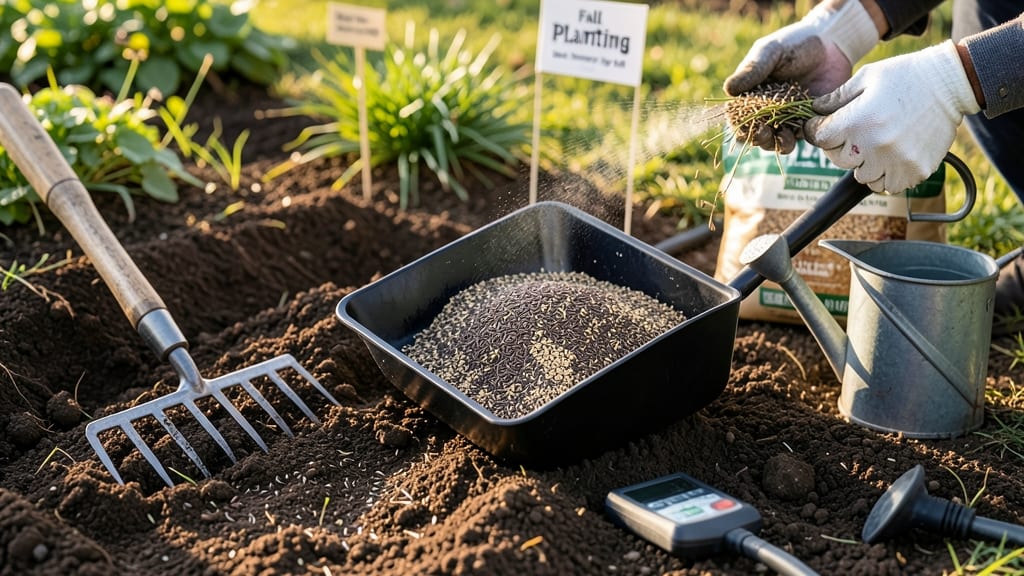
Timing your Grass Seed (Turfgrass) 🌱 planting in Oklahoma isn’t just about throwing seeds in the ground—it’s the difference between a lush lawn and months of frustration. Soil temperatures and rainfall patterns here create a fast germination window, but miss it, and you’ll waste money and effort.
Most gardeners assume spring is the only time to plant, but Oklahoma’s 6a-8a climate zones actually offer two prime opportunities—early spring and late summer/early fall. The key? Waiting until soil warms to 55-70°F and rainfall is consistent, which varies dramatically between northern and southern regions.
In my years of testing different planting schedules, I’ve learned the best months are March-April for spring and August-September for fall. But there’s more to it than just the calendar—soil prep, watering routines, and even your grass variety play a role in success.
Let me break down exactly when to plant for your specific Oklahoma zone, how to prep your soil for maximum germination, and the critical mistakes to avoid that could derail your lawn before it even starts. Your perfect green carpet is closer than you think.
Oklahoma’s ideal grass seed planting window: soil temperature & rainfall guidelines
Timing is everything when planting grass seed in Oklahoma—get it wrong, and you’ll battle dry soil or stunted growth. The perfect window hinges on two factors: soil temperature (55–70°F) and consistent rainfall (1–1.5 inches weekly).
Northern Oklahoma’s cooler climate favors late spring, while southern regions thrive in early fall when summer’s brutal heat fades.
Oklahoma’s USDA zones 6a–8a mean your last frost date shifts dramatically: March 15 in the north vs. February 15 in the south. Planting too early risks frost damage, while waiting too long invites summer drought.
The sweet spot? March–April for spring and August–September for fall, when soil warmth and moisture align for 7–14 days of germination.
🌱 Did You Know?
Rainfall is just as critical. Oklahoma’s average annual rainfall (28–36 inches) varies wildly—northern areas get 30–36 inches, while the southwest sees 20–28 inches. Aim for 1–1.5 inches of moisture weekly during germination. If natural rain falls short, supplement with drip irrigation to avoid surface drying.
For fastest germination, pair planting with Oklahoma’s natural rainfall patterns. Spring showers peak in April–May, while fall’s September rains create ideal conditions. Use a rain gauge to track moisture—consistent dampness (not soggy soil) is key.
Regional Tip: Southern Oklahoma’s higher heat tolerance lets you plant Bermuda or Zoysia grass as early as February, but northern areas should wait until after April 15 to avoid frost. Check your local USDA zone for precision.
Here’s the golden rule: Plant when soil is warm, rains are reliable, and weeds are dormant. Miss this window, and you’ll face slow growth, uneven coverage, or wasted seed. Let’s break down the exact months and soil conditions for your region.
| Region | Best Planting Months | Soil Temp Range (°F) | Rainfall Needs | Grass Variety Tips |
|---|---|---|---|---|
| Northern OK (Zones 6a–7a) | April–May | 55–65°F | 1–1.5" weekly | Tall Fescue (drought-tolerant) |
| Central OK (Zone 7b) | March–April or August–September | 60–70°F | 1–1.5" weekly | Kentucky Bluegrass (adaptable) |
| Southern OK (Zones 7b–8a) | February–March or August–September | 65–75°F | 1–2" weekly (higher heat) | Bermuda or Zoysia (heat-loving) |
Pro Tip: Test your soil’s moisture level by squeezing a handful—it should hold shape but not be sticky. If it crumbles, water more frequently. Mulch lightly (straw or peat moss) to lock in moisture and block weeds.
Now that you’ve got the perfect timing locked in, let’s tackle the spring vs. fall debate—which season gives your Oklahoma lawn the best head start? Spoiler: It depends on your region’s climate quirks.
Spring vs. fall planting: which season works best for Oklahoma’s climate?
Oklahoma’s spring and fall seasons offer the best windows for planting grass seed, but each has unique advantages depending on your location.
In Northern Oklahoma (USDA Zone 6a), spring planting starts earlier—around mid-March to April—while Southern Oklahoma (Zone 8a) can begin as early as February once soil warms to 55–60°F. Fall planting, however, is often preferred for its cooler temperatures and reduced weed competition.
Spring planting gives you a head start on summer growth, but early spring can still bring unpredictable frosts or dry spells. Southern Oklahoma’s milder winters mean spring planting can stretch into May, while Northern regions should aim for April to avoid late frost risks.
Fall planting, on the other hand, allows grass to establish roots before winter dormancy, often resulting in thicker, more resilient turf.
🌱
Spring vs. Fall Planting: Pros & Cons
Spring Planting
- Pros: Longer growing season, faster establishment
- Cons: Higher weed competition, risk of drought
Fall Planting
- Pros: Cooler temps reduce stress, fewer weeds
- Cons: Shorter window before winter dormancy
For Northern Oklahoma, fall planting in September is ideal because it allows grass to establish before the first frost, typically around mid-November. In contrast, Southern Oklahoma can push fall planting into early October due to later frosts.
Both regions benefit from fall’s moderate rainfall, which reduces the need for supplemental watering compared to spring’s unpredictable weather.
If you’re torn between seasons, consider your grass variety. Cool-season grasses like Tall Fescue thrive in both spring and fall, while warm-season grasses like Bermuda or Zoysia prefer late spring to early summer planting. Always check the seed packet for region-specific recommendations to maximize success.
Weed competition is another critical factor. Spring planting often means battling crabgrass and chickweed, while fall planting sees fewer weeds but requires quicker establishment before winter.
Use a pre-emergent herbicide in early spring if you opt for that season, or apply a light mulch in fall to suppress weeds naturally.
Ultimately, the best time to plant grass seed in Oklahoma depends on your location and grass type. For most homeowners, fall planting in September offers the best balance of cooler temps, lower weeds, and reliable germination.
But if you’re eager for summer green, early spring planting in April (Northern OK) or March (Southern OK) can work—just be prepared for extra care! 🌿