
Companion Plants
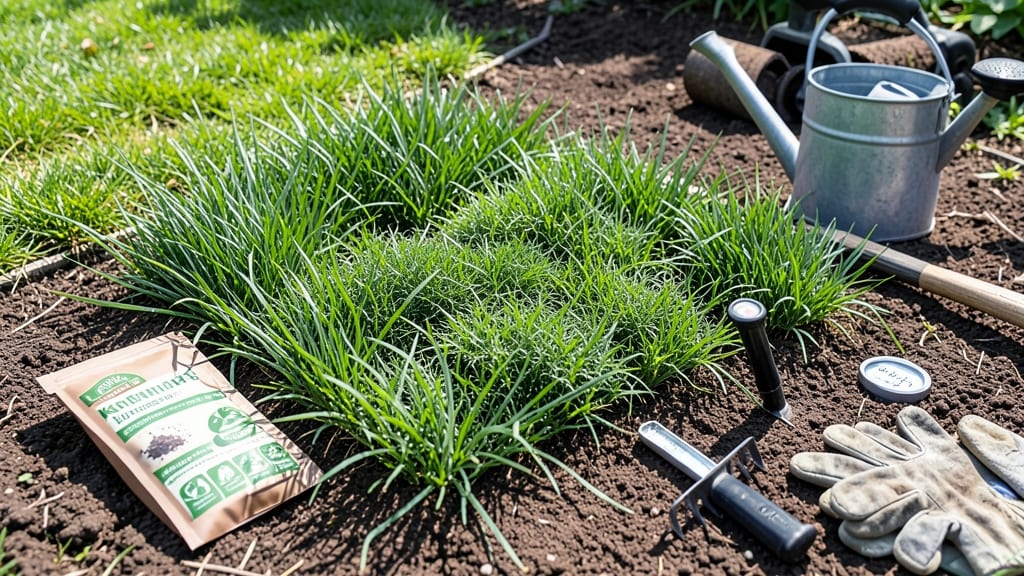
Planting grass seed in Minnesota at the wrong time can mean patchy lawns or wasted effort—especially with 2024’s unpredictable frost dates. Whether you're in the northern USDA Zone 3 or southern Zone 5, timing is everything for fast germination and a lush lawn.
Most gardeners swear by spring planting, but fall can actually be the best window for deep root growth before winter. I’ll break down the exact months to plant in your area, plus how to check soil temperatures and adjust for frost risks.
You’ll also discover the top grass varieties for Minnesota and why some thrive in early spring while others prefer late summer. No more guessing—just a clear, actionable timeline to get your lawn off to the fastest start.
Ready to transform your yard? Let’s dive into the optimal planting schedule and avoid common mistakes that kill grass seed before it even sprouts.
Best Minnesota grass seed planting windows by region (2024)
Minnesota’s climate—with its freezing winters and variable spring frost dates—makes timing critical for grass seed success. Plant too early, and seeds may rot in cold soil. Plant too late, and summer heat can stress young grass.
The ideal window is early spring (after frost) and fall (4-6 weeks before frost), but your exact timing depends on whether you’re in Northern or Southern Minnesota. Let’s break it down by region to ensure your 2024 lawn thrives.
Southern Minnesota (USDA Zones 4b-5a), like the Twin Cities and Rochester, has earlier frost dates than the North. Here, you can start planting as early as late March if soil temperatures hit 50°F (10°C).
However, April is the safest bet for most homeowners, giving seeds time to germinate before summer heat arrives. In the North (Zones 3a-4a), wait until mid-to-late April when the ground thaws consistently.
Fall planting is another golden opportunity, but timing is everything. Aim to seed 4-6 weeks before the first frost, which typically falls in mid-October for Southern MN and early-to-mid October for Northern MN.
This gives grass time to establish roots before winter dormancy. Miss this window, and your seeds may not survive the cold.
Here’s a quick comparison to help you decide based on your location:
| Region | Spring Planting Window | Fall Planting Window | Soil Temp Requirement |
|---|---|---|---|
| Southern MN (Twin Cities, Rochester) | Late March–April | Late August–Mid October | 50°F (10°C) minimum |
| Northern MN (Duluth, Brainerd) | Mid-to-Late April | Early September–Early October | 50°F (10°C) minimum |
Avoid planting in summer (June–August) unless you’re overseeding with shade-tolerant grasses like Fine Fescue. High temperatures and drought stress seeds, leading to poor germination rates.
If you must plant in summer, water daily and use shade cloth to protect young shoots. Winter planting is a no-go—seeds won’t survive freezing ground.
Pro tip: Check your local USDA Plant Hardiness Zone and Almanac frost dates for your specific city. For example, Duluth’s last frost often occurs 2 weeks later than Minneapolis.
Use these dates to fine-tune your planting schedule. If you’re unsure, err on the side of planting slightly later—young grass can handle cooler temps better than heat stress.
Once you’ve picked your window, prepare your soil by removing weeds, leveling the area, and adding compost for nutrients. Lightly rake the soil to create a fine seedbed, then water gently to settle the seeds.
Keep the soil consistently moist (not soggy) for the first 3-4 weeks—this is when most germination happens. With the right timing, you’ll see green sprouts in 7-21 days, depending on the grass type.
Remember, Kentucky Bluegrass and Tall Fescue (common in MN) germinate fastest in cooler temps (50-65°F), while Fine Fescue tolerates slightly warmer soil. Match your grass type to your planting season for the best results. For example, Kentucky Bluegrass thrives in spring plantings but struggles in late summer heat.
If you’re still unsure, watch for soil temperature trends using a soil thermometer (available at garden centers). Plant when temps are consistently above 50°F for at least a week—this ensures seeds won’t rot waiting for warmth.
With these tips, your Minnesota lawn will be lush and green in no time! 🌿
How to check soil temperature and conditions before planting grass seed
Before you rush out to plant grass seed in Minnesota, checking your soil’s readiness is the secret weapon for fast germination. Cold soil in early spring or dry soil in late summer can stall growth—or worse, kill your seeds before they sprout.
I’ve learned the hard way that skipping this step often leads to wasted seeds and patchy lawns.
Ideal soil temperature for grass seed germination is between 50°F and 75°F. In Minnesota, this usually means waiting until late April or early May for spring planting, or aiming for September for fall.
But how do you know for sure? Let’s break it down with simple tools and tricks you can use at home.
First, grab a soil thermometer—they’re cheap and available at any garden center. Stick it 2-3 inches deep (where seeds will be) and check the temperature in the morning. If it’s below 50°F, wait a few more days.
Pro tip: Northern Minnesota (Zone 3) will need to wait longer than southern Minnesota (Zone 5) for soil to warm up.
Here’s what you’re aiming for:
Key Takeaways for Soil Readiness
- 🌡️ 50°F+ = Safe to plant most grass seeds
- 💧 Moisture test: Squeeze soil—it should hold shape but not be soggy
- ☀️ Sunlight check: Area should get 6+ hours of sun daily
- 📅 Frost-free window: Plant 4-6 weeks before first frost in fall
Don’t forget to test moisture levels too. Dig a small hole, add water, and cover it with plastic for a day. If the soil stays damp but not waterlogged, it’s ready. Overwatering can suffocate seeds, so aim for consistent moisture, not soggy ground.
I once planted seed in dry soil and spent hours watering—only for it to wash away in a sudden rainstorm.
Another critical factor is soil pH. Most Minnesota lawns thrive in a pH of 6.0 to 7.5. Test your soil with a kit from your local garden store.
If it’s too acidic (below 6.0), add lime a few weeks before planting. For alkaline soil (above 7.5), work in sulfur or peat moss.
Finally, keep an eye on the weather forecast for the next 10 days. If heavy rain or frost is predicted, delay planting. Grass seeds need steady conditions to germinate—no extreme heat, cold snaps, or drought.
I once planted in late August only to have a sudden frost kill my seedlings overnight. Plan ahead!
With these checks complete, you’ll be ready to plant with confidence. Next, we’ll cover the best grass varieties for Minnesota and when to plant each for maximum success. Your dream lawn starts with the right prep!