
Plants
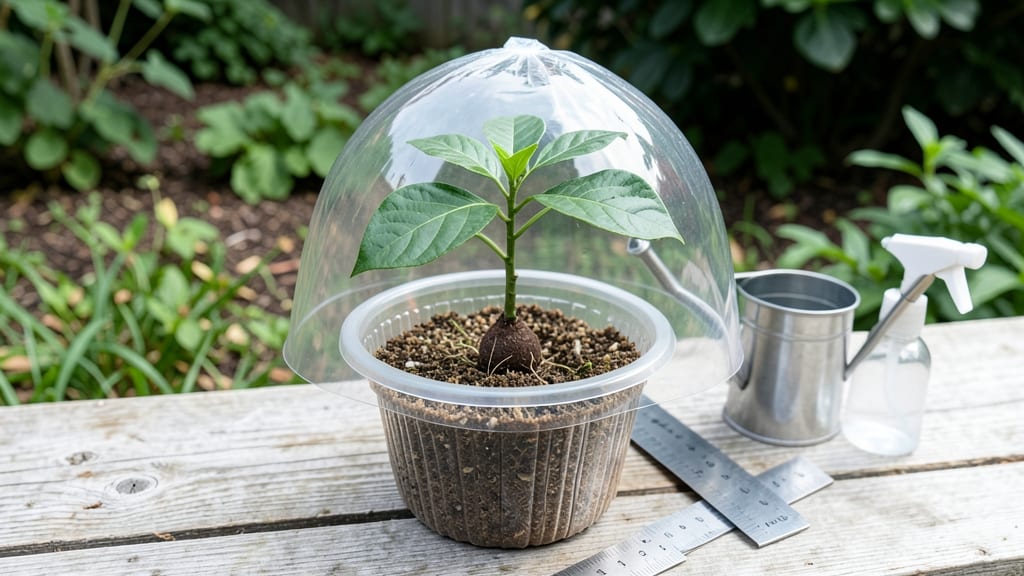
Planting an avocado pit in soil at the wrong time can turn your 🥑 dream tree into a sad, wilted experiment. The key to success isn't just how you plant it—it's when. Whether you're starting indoors or moving seedlings outside, timing directly impacts germination rates and long-term growth.
For most gardeners in USDA Zone 6a and similar climates, the ideal window opens in March or April, after the last frost has passed. But here's the catch: indoor germination has its own perfect timing, while outdoor planting requires different conditions.
Get it wrong, and you might end up with a pit that never sprouts—or a delicate seedling that can't handle the elements.
I've seen firsthand how a few weeks' difference can mean the difference between a thriving avocado tree and a failed attempt. In this guide, I'll break down the exact indoor vs. outdoor timing you need, plus pro tips to avoid common pitfalls. Ready to turn that pit into a plant?
Let's dive into the science and seasonal secrets that will give your avocado tree the best possible start—no guesswork required.
Optimal indoor planting timeline for avocado pits in soil
Growing an avocado tree from a pit is rewarding, but the indoor planting timeline is critical for germination success. Unlike outdoor planting, indoor avocado pits require a controlled environment with consistent warmth and humidity.
Start your avocado pit indoors 6-8 weeks before your last frost date—typically in late winter (February) for most U.S. climates. This head start ensures your seedling is strong enough to transition outdoors later.
Before planting, your avocado pit should develop 2-3 inches of roots in water. This usually takes 4-8 weeks, depending on temperature and humidity.
Once roots form, transitioning to soil prevents rot and encourages faster growth. Soil planting should happen in early spring (March-April) when indoor light conditions improve and temperatures stabilize.
Here’s your step-by-step guide to planting avocado pits in soil indoors at the perfect time:
After planting, your avocado pit will sprout in 2-6 weeks, depending on warmth. Once sprouted, place the pot in a sunny indoor spot and fertilize lightly with a balanced 10-10-10 mix every 4-6 weeks during spring and summer.
By late spring, your seedling should be ready for outdoor hardening if temperatures stay above 50°F.
If you live in a warmer climate (USDA Zones 9-11), you can plant avocado pits directly outdoors in early spring (February-March), skipping the indoor phase. However, indoor germination gives you more control over temperature and pests, especially in colder regions.
Pro tip: Label your pot with the planting date and track growth progress. Most avocado trees take 3-5 years to bear fruit, so patience is key! Track your seedling’s height monthly to ensure steady growth.
🌱
Outdoor planting conditions: when and where to transplant avocado seedlings
Transplanting your avocado seedling outdoors at the wrong time can stunt growth or even kill it. The key is waiting until soil temperatures consistently stay above 60°F (15°C) and the last frost has passed in your area.
For most U.S. regions, this falls between late April and June, depending on your USDA hardiness zone.
In Zone 6-8, aim for after May 15 when nights are reliably warm. Gardeners in Zone 9-11 can plant as early as March, but avoid transplanting before soil warms—cold roots shock easily. Always check your local frost-free date for precise timing.
Here’s the perfect outdoor planting window by zone:
🌱 Outdoor Planting Timeline by Zone
| Zone | Ideal Planting Month | Soil Temp Requirement | Sunlight Needs |
|---|---|---|---|
| 6-7 | Late May - Early June | 60°F+ (15°C+) | Full sun (6+ hours) |
| 8-9 | April - May | 65°F+ (18°C+) | Full sun (6+ hours) |
| 10-11 | February - March | 70°F+ (21°C+) | Full sun (6+ hours) |
Choose a sunny, sheltered spot with well-draining soil—avocado trees hate soggy roots. Amend heavy clay with compost or sand to improve drainage. If your soil is acidic (pH < 6.0), mix in lime to raise the pH to 6.0–7.0, as avocados prefer slightly acidic to neutral soil.
Before transplanting, harden off your seedling by placing it outdoors in partial shade for 1–2 hours daily, gradually increasing exposure over 7–10 days. This helps it adjust to sunlight, wind, and temperature fluctuations. Skip this step, and your seedling may suffer from sunburn or shock.
After planting, water deeply to settle the soil and reduce transplant shock. Mulch around the base with 2–3 inches of organic mulch (like wood chips) to retain moisture and regulate soil temperature. Avoid mulching too close to the stem—keep it 2–3 inches away to prevent rot.