
Plants
Timing when to plant sweet potatoes in Zone 6 can make or break your harvest—get it wrong, and you might end up with stunted vines or wasted effort.
Since these heat-loving tubers need soil that's warmed up to 60°F+, planting too early after frost risks exposing them to chilly nights that slow growth.
But here's the good news: with the right approach, you can fast-track your harvest by choosing the perfect window and preparing your soil just right. Whether you're working with slips or seeds, understanding your Zone 6 microclimate is key to avoiding common pitfalls like late frosts or uneven warming.
I'll walk you through exactly when to plant for maximum success, how to test your soil's readiness, and which fast-maturing varieties perform best in your region. By the end, you'll know exactly when to put those slips in the ground for a bumper crop before fall sets in.
Ready to skip the guesswork? Let's dive into the secrets of planting Sweet Potatoes 🍠 in Zone 6 for a harvest that'll impress even the most experienced gardeners.
Optimal planting window for sweet potatoes in Zone 6
Sweet potatoes are warm-season crops that demand consistent soil temperatures above 60°F to thrive. In Zone 6, where last frost typically occurs around mid-May, rushing to plant too early can trigger stunted growth or even death from cold snaps.
The key is waiting for both soil warmth and stable temperatures—usually by late May to early June.
Zone 6’s shorter growing season (165 frost-free days) means timing is critical. Planting too late risks immature tubers before the first frost in mid-October. Aim for a 90-120 day window from planting to harvest, with June 15–July 15 as your prime planting window for most varieties.
Regional microclimates in Zone 6 add another layer. Southern Zone 6a (e.g., Atlanta, GA) may allow earlier planting (late May), while northern Zone 6b (e.g., Chicago, IL) often waits until early June. Always check your local frost dates and monitor soil temperature for precision.
Here’s how to align your planting with Zone 6’s climate quirks:
| Stage | Action | Zone 6 Target |
|---|---|---|
| Soil Warmth | Test with a soil thermometer | 60°F+ (consistently) |
| Last Frost | Confirm frost-free period | Mid-May (varies by location) |
| Planting Window | Plant slips (not seeds) | Late May–early June |
| Harvest Ready | Leaves yellow and die back | Late August–early October |
| First Frost | Protect tubers if frost threatens | Mid-October |
For maximum tuber development, prioritize slips (young plants) over seeds in Zone 6. Slips establish faster in warm soil, giving you a 3-4 week head start over seed-grown plants. Order slips from nurseries or start your own from store-bought sweet potatoes 4–6 weeks before your target planting date.
If you’re using seeds, begin indoors in biodegradable pots 8–10 weeks before the last frost. Transplant seedlings outdoors only after soil reaches 70°F and nighttime temperatures stay above 55°F. Seedlings are far more frost-sensitive than slips, so avoid this method unless you’re prepared to use row covers.
Zone 6 gardeners often face unpredictable spring weather. If late frosts delay planting, opt for fast-maturing varieties like Georgia Jet (90 days) or Beauregard (100 days). These can still yield market-sized tubers even with a shortened season.
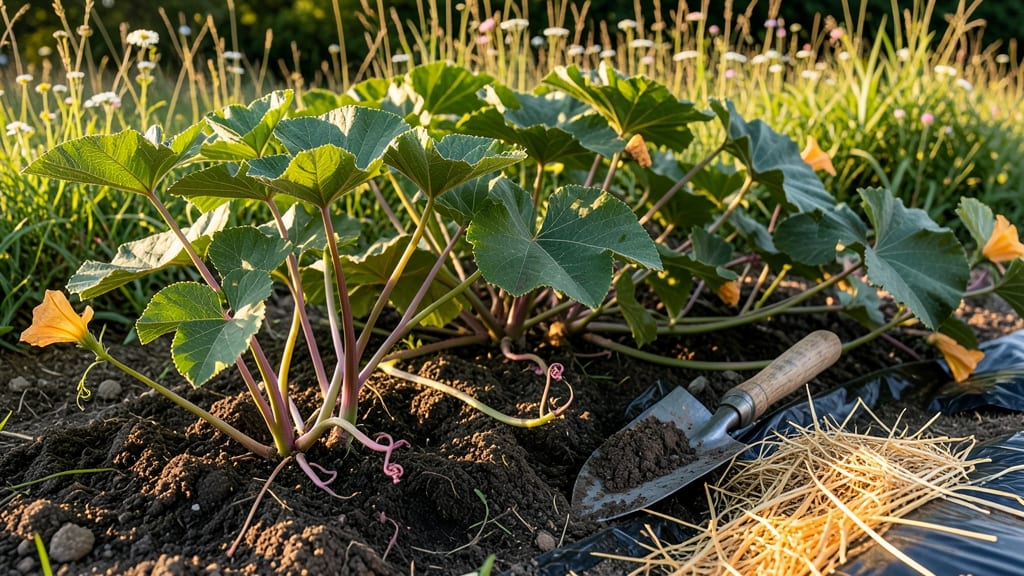
Always mulch heavily with straw or black plastic to retain heat and speed up soil warming.
Pro tip: Use a soil thermometer to track temperatures daily. Sweet potatoes won’t thrive until the soil stays at 60°F for 3+ days. If your garden runs cool, consider raised beds, which warm up 1–2 weeks faster than in-ground soil.
This is especially helpful in northern Zone 6 areas where springs linger cold.
Finally, avoid planting sweet potatoes in early May unless you’re using row covers or a greenhouse. Cold soil slows root growth, leading to small, woody tubers. Instead, wait for consistent warmth—your sweet potatoes will reward you with sweet, plump harvests by fall.
Optimal planting window for sweet potatoes in Zone 6
Sweet potatoes demand warm soil—ideally 60°F or higher—to thrive, making timing critical in Zone 6’s cooler climate. Planting too early risks stunted growth or even death from late frosts, while waiting too long cuts your harvest window.
The sweet spot? Aim for 2-4 weeks after your last frost date, typically late May to early June in most of Zone 6.
Zone 6’s 165 frost-free days create urgency: sweet potatoes need 90-140 days to mature. Planting in mid-June ensures harvest before the first frost (mid-October), but earlier varieties can stretch this window. Microclimates matter—urban areas may warm faster than rural zones, so monitor local patterns.
| Stage | Action | Zone 6 Timeline |
|---|---|---|
| Soil Warmth Check | Test soil temperature (6" deep) with a thermometer | Mid-May to early June |
| Planting Window | Plant slips (young plants) after 60°F+ soil | Late May–early June |
| Harvest Readiness | Foliage yellows; vines die back | Late August–early October |
| Frost Risk | Cover plants if frost threatens | Mid-October |
For maximum tuber development, prioritize full-sun locations (6+ hours daily) with well-draining soil. Raised beds warm faster than ground soil, giving you a 2-week head start in cooler springs. In Zone 6a (colder sub-zone), delay planting until early June to avoid frost damage.
Pro tip: Use black plastic mulch to raise soil temps by 5-10°F, extending your planting window. This trick works especially well in northern Zone 6 where springs linger cooler. Always plant slips (not seeds) for faster harvests—seeds take too long to mature in Zone 6’s short season.
Watch for false starts: A warm May week doesn’t mean soil stays warm. Test temps consistently for 3+ days at 60°F+ before planting. Beauregard and Georgia Jet varieties are top picks for Zone 6—they mature in 90-100 days, leaving room for error.
Remember: Early planting = smaller tubers. Sweet potatoes grow best when soil stays warm, so don’t rush. Wait for the perfect moment—your harvest will thank you! 🍠