
Vegetables
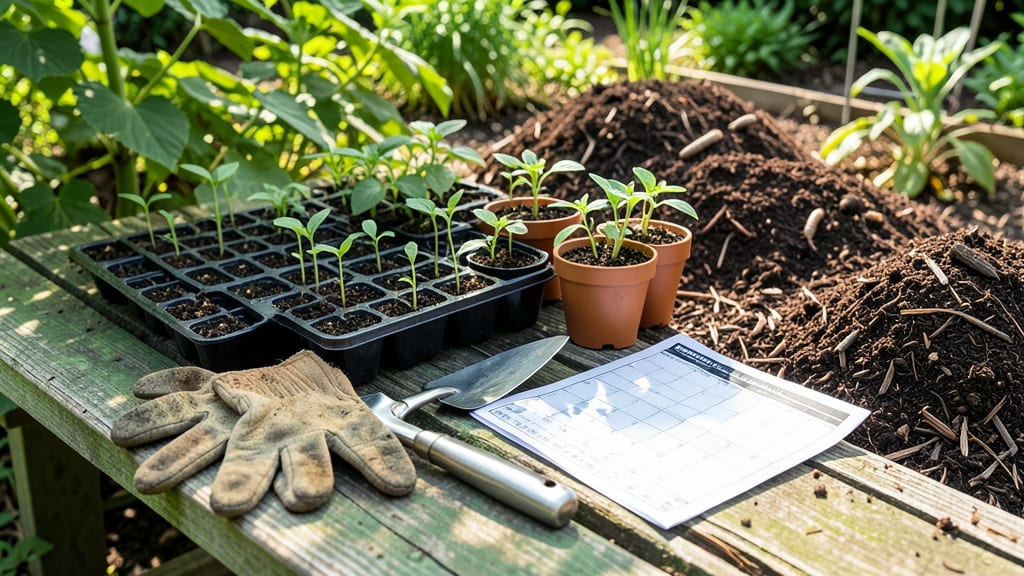
If you’re still using the 2012 planting calendar for when to plant vegetables in Virginia, you might be missing the boat—literally. Climate shifts mean frost dates have changed, and what worked a decade ago could spell disaster for your 🌱 vegetables today.
Virginia’s USDA zones now demand a more precise approach, especially with unpredictable springs. Whether you’re in the cooler Zone 5a or warmer Zone 7b, planting too early risks frost damage, while waiting too long cuts harvests short.
The good news? This updated guide gives you the exact frost-free deadlines for 2024, tailored to your zone.
From cool-season greens to heat-loving tomatoes, I’ll break down the best planting windows by month—plus pro tips to beat Virginia’s quirky weather. No more guesswork, just peak-season success.
Ready to grow a garden that thrives? Let’s dive into the timing that actually works for Virginia’s climate today.
Virginia’s 2024 frost-free planting zones: exact dates by USDA Zone (5a-7b)
Virginia’s USDA hardiness zones (5a through 7b) create dramatic differences in last frost dates—sometimes by weeks. In 2024, I’ve adjusted planting windows based on recent climate trends, including earlier springs and delayed autumn frosts.
These dates reflect actual frost-free averages from Virginia Cooperative Extension data, not the outdated 2012 calendar.
For example, Zone 5a gardeners (like those in the Shenandoah Valley) face late May last frosts on average, while Zone 7b growers (Tidewater region) can plant warm-season crops as early as mid-March. The key? Knowing your microclimate—valleys freeze faster than hilltops, and urban areas often warm up quicker.
Here’s how to use this guide: Cool-season crops (like lettuce and peas) go in 4-6 weeks before your last frost, while warm-season plants (tomatoes, peppers) need soil at 60°F+. I’ve included adjusted 2024 deadlines with a 10-day buffer for safety.
| USDA Zone | Last Frost Date (2024) | First Frost Date | Cool-Season Planting Window | Warm-Season Planting Window |
|---|---|---|---|---|
| 5a (SW VA) | May 10–15 | Oct 15–20 | Mar 20–Apr 5 | May 20–Jun 5 |
| 6a (Central VA) | Apr 25–May 5 | Oct 25–Nov 5 | Mar 1–Mar 15 | May 1–May 15 |
| 7a (Northern Piedmont) | Apr 10–Apr 20 | Nov 10–Nov 20 | Feb 20–Mar 10 | Apr 15–Apr 30 |
| 7b (Tidewater/Coastal) | Mar 25–Apr 10 | Nov 25–Dec 5 | Feb 1–Feb 15 | Mar 15–Mar 30 |
Your last frost date determines when to plant cool-season crops like broccoli and spinach. For example, in Zone 6a, aim to sow seeds 4–6 weeks before April 25—that’s mid-to-late March. Use row covers if nights dip below 40°F to protect tender seedlings.
For warm-season vegetables, soil temperature matters more than air temperature. Use a soil thermometer—most tomatoes and peppers need soil at 60°F+ for 7+ days before planting. In Zone 7b, this often means waiting until mid-April even if frost risk is low.
Pro tip: Succession planting extends harvests. In Zone 5a, sow lettuce every 2 weeks from March to July for continuous greens. The 10-day buffer in my table accounts for late frosts—don’t skip it, even if your neighbor plants earlier.
Remember, Virginia’s coastal regions (like Norfolk) enjoy earlier springs than inland areas. If you’re unsure, check local weather stations or use the National Weather Service’s frost prediction maps. My 2024 adjustments reflect 3–5 days earlier than 2012 averages for most zones.
For container gardening, add 2–3 weeks to these timelines—pots heat up faster but also cool down quicker. If you’re in Zone 6a and using containers, wait until May 1 for warm-season crops to avoid nighttime chills.
Finally, fall planting follows the same logic in reverse. In Zone 7b, you can still plant broccoli and kale until September 15 for winter harvests. Use mulch to insulate roots and protect against early frosts.
Now that you’ve got your zone-specific deadlines, let’s dive into the best vegetables to plant now—and how to time them for maximum yield. 🌱
Best vegetables to plant now in Virginia (by month & hardiness)
Virginia’s spring planting season kicks off in March-April, but the exact timing depends on your USDA zone and the crop. Cool-season vegetables like broccoli and spinach thrive in chilly temps, while tomatoes and peppers need warm soil.
I’ve broken down the best vegetables to plant month-by-month for Virginia’s 5a-7b zones, with climate-resilient varieties for 2024’s unpredictable spring.
For March-April, focus on cool-hardy crops like lettuce, kale, and peas. These can handle light frosts and even grow faster in cooler weather.
In Zone 5a-6a, wait until after your last frost date (typically mid-April) to plant cucumbers and squash, as they’re sensitive to cold. Warmer zones like 7a-7b can start these 2-3 weeks earlier.
Here’s my top 12 vegetables to prioritize this spring, ranked by hardiness and harvest speed. I’ve included succession planting tips to keep your garden productive all season.
Plant March-May for spring harvests. Use ‘Black Seeded Simpson’ lettuce (70 days) or ‘Bloomsdale Long Standing’ spinach (50 days). Succession plant every 2 weeks for continuous greens.
Start seeds indoors in March, transplant after last frost (April). Choose ‘Waltham 29’ broccoli (60 days) or ‘Snowball Y Improved’ cauliflower (85 days). Mulch to retain moisture.
Plant early March (even before last frost). ‘Sugar Snap’ peas (65 days) or ‘Oregon Sugar Pod’ (60 days) thrive in cool soil. Trellis for vertical growth.
Transplant after May 1 in most zones. ‘Celebrity’ tomatoes (70 days) or ‘Solar Fire’ (65 days) are heat-tolerant. Use black plastic mulch to warm soil faster.
Wait until mid-May for bell peppers (‘California Wonder’, 70 days) or ‘Jalapeño’ (75 days). Start seeds indoors in April for earlier harvests.
Plant after soil reaches 60°F (usually late April-early May). ‘Straight Eight’ cucumbers (60 days) or ‘Marketmore’ (55 days) work well. Use vertical trellises to save space.
Direct-sow ‘Blue Lake’ beans (55 days) after last frost. Succession plant every 2 weeks until July for fall harvests. Avoid planting where peas or beans grew last year.
For Zone 5a gardeners, prioritize cold-hardy varieties like ‘Winterbor’ kale (60 days) or ‘Early Wonder’ zucchini (45 days). In Zone 7b, you can extend your season by planting fall crops like carrots (‘Danvers’, 70 days) in August for harvests before first frost (November 15).
Always check your local frost dates—they’ve shifted 1-2 weeks earlier in recent years.
Pro tip: Use row covers to protect early plantings from late frosts (common in Zone 5a-6a). I’ve had great success with floating row covers on broccoli and cabbage to extend harvests by 2-3 weeks. 🌱