
Plants
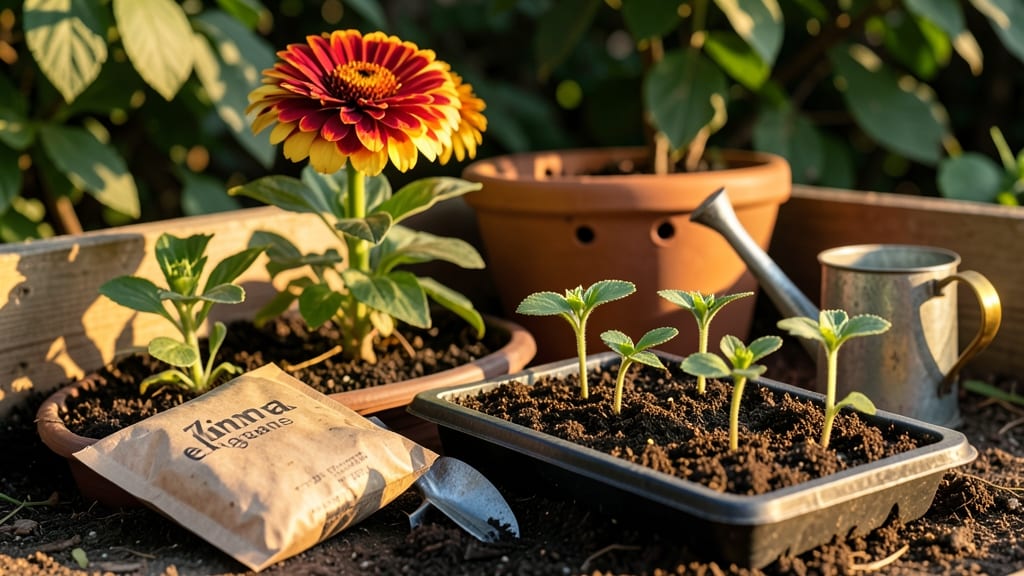
When to plant zinnia seeds in Zone 6 is the secret to a garden bursting with bold, long-lasting blooms—but get it wrong, and you might end up with leggy seedlings or blooms that arrive too late for the season. These vibrant 🌼 zinnias thrive when planted after the last frost, but the exact window depends on whether you're starting seeds indoors or sowing directly outside.
If you're eager to see those cheerful faces in your garden, you'll want to begin 4-6 weeks before your last frost date—typically around mid-March for Zone 6.
For direct sowing, wait until the soil warms up and all danger of frost has passed, usually between April 15 and May 31. This timing ensures your zinnias get the full growing season to flourish.
But here's the thing: Zone 6 has its quirks, especially if you're in the northern part where frosts linger longer. That's why I'll walk you through the exact weeks before your last frost to plant, whether you're starting seeds indoors or sowing them directly.
With the right timing, you'll enjoy continuous blooms from July through October—and maybe even attract more pollinators to your garden than you can count.
Ready to turn your garden into a zinnia paradise? Let's dive into the perfect planting schedule so you can enjoy those stunning flowers all season long without the guesswork.
Zone 6 zinnia planting calendar: exact weeks before last frost for peak blooms
In Zone 6, your zinnia seeds need precise timing to thrive—plant too early, and chilly soil will delay germination; too late, and you’ll miss summer blooms. The last average frost date (around April 15) marks your starting point, but soil temperature and variety maturity also play starring roles.
For direct-sown zinnias, aim to plant seeds 2-4 weeks after your last frost date. This gives soil time to warm to at least 60°F (15°C), the ideal temperature for germination. In Zone 6, this typically lands between late April and mid-May, depending on your exact location.
🌱Pro Tip: Use a soil thermometer to confirm warmth before sowing—cold soil slows germination and invites rot.
Zone 6 Zinnia Planting Timeline
| Planting Stage | Zone 6 Timing | Soil Temp | Key Notes |
|---|---|---|---|
| Indoor Start | 6-8 weeks before last frost (Feb 15 - Mar 1) | 65-75°F (18-24°C) | Use grow lights; transplant after last frost |
| Direct Sow Outdoors | 2-4 weeks after last frost (Apr 25 - May 15) | 60-70°F (15-21°C) | Plant 1/4" deep; thin to 12" apart |
| Succession Planting | Every 2 weeks until July 1 | 60°F+ (15°C+) | Extend blooms with staggered sowings |
| Late Planting (Risky) | Up to June 15 (for dwarf varieties) | 55°F+ (13°C+) | Expect smaller blooms; prioritize fast-maturing types |
🌼 Key: Adjust dates 1-2 weeks earlier for cooler microclimates or later for warmer southern Zone 6 areas.
If you’re starting seeds indoors, begin 6-8 weeks before your last frost (typically February 15–March 1 in Zone 6). Use grow lights to prevent leggy seedlings—zinnias need 12-16 hours of light daily to stay compact. Harden off seedlings for 7-10 days before transplanting outdoors after frost.
For direct sowing, choose fast-maturing varieties (like 'Thumbelina' or 'Benary’s Giant') if planting near the June 15 cutoff. These reach bloom in 45-55 days, while taller varieties need 60-75 days—cutting it close for late starts.
💡Zone 6 Hack: Test soil temperature with a thermometer—wait until it’s consistently 60°F (15°C) for 3+ days before sowing. Cold soil = slow germination.
Succession planting is your secret weapon for continuous blooms. Sow new batches every 2 weeks until July 1—this ensures fresh flowers when early plantings fade. Space seeds 1/4" deep and thin seedlings to 12-18" apart (closer for dwarf types).
Northern Zone 6 gardeners (e.g., Chicago, Minneapolis) should err on the earlier side (late April), while southern areas (e.g., St. Louis, Nashville) can wait until mid-May. Check your microclimate—low spots freeze later, while south-facing beds warm faster.
🌡️Watch for: A late frost? Cover seedlings with frost cloth or wait until soil warms. Heat waves? Zinnias handle 90°F+ but may bolt—provide afternoon shade if needed.
Finally, track your first frost date—Zone 6’s average is October 15, but zinnias often survive until first hard frost. Deadhead spent blooms to encourage fall reblooms and extend your season by 2-3 weeks.
5 Critical factors that determine your perfect zinnia planting window in Zone 6
Planting zinnias at the right time in Zone 6 depends on more than just frost dates—soil temperature, variety maturity, and heat tolerance all play starring roles. Let’s break down the 5 critical factors that’ll help you pinpoint your ideal planting window for bold, long-lasting blooms.
First, soil temperature must reach at least 60°F (15°C) for zinnia seeds to germinate reliably. Cold soil slows growth, leading to weak seedlings. In Zone 6, this typically aligns with mid-April to early May, but always check your local last frost date—not just averages.
Next, consider your zinnia variety. Dwarf varieties like 'Thumbelina' mature in just 45-50 days, while tall types like 'Benary’s Giant' need 70-75 days to bloom. Plant shorter varieties 2-3 weeks earlier for earlier color, or stagger sowings to extend your seasonal display.
Wait until soil hits 60°F (15°C)—use a soil thermometer if unsure. Cold soil = slow germination.
Dwarf zinnias (45-50 days) vs. tall zinnias (70-75 days) need different timing. Check seed packets!
Zinnias thrive in 75-85°F (24-29°C). Plant too early? Risk leggy seedlings from weak sunlight.
Want summer blooms? Start seeds indoors 6-8 weeks before last frost. Late summer? Direct-sow in June.
South-facing beds warm faster. North-facing? Plant 1-2 weeks later to avoid cold snaps.
Don’t overlook heat tolerance—zinnias love warmth but can bolt (go to seed) quickly in hot Zone 6 summers. If you’re in a hotter sub-region (like southern Illinois), opt for shorter varieties or provide afternoon shade to extend blooming.
Your bloom-time goals also shift timing. Need early summer color? Start seeds indoors 6-8 weeks before last frost (around March 1-15 in Zone 6). Craving late-season blooms? Direct-sow in June for flowers until frost.
Finally, account for your local microclimate. A south-facing bed warms 1-2 weeks earlier than a north-facing one. Use row covers or cold frames for early starts if your area has unpredictable frosts.
With these factors in mind, you’ll nail that perfect planting window for zinnias that thrive all season.