
Size
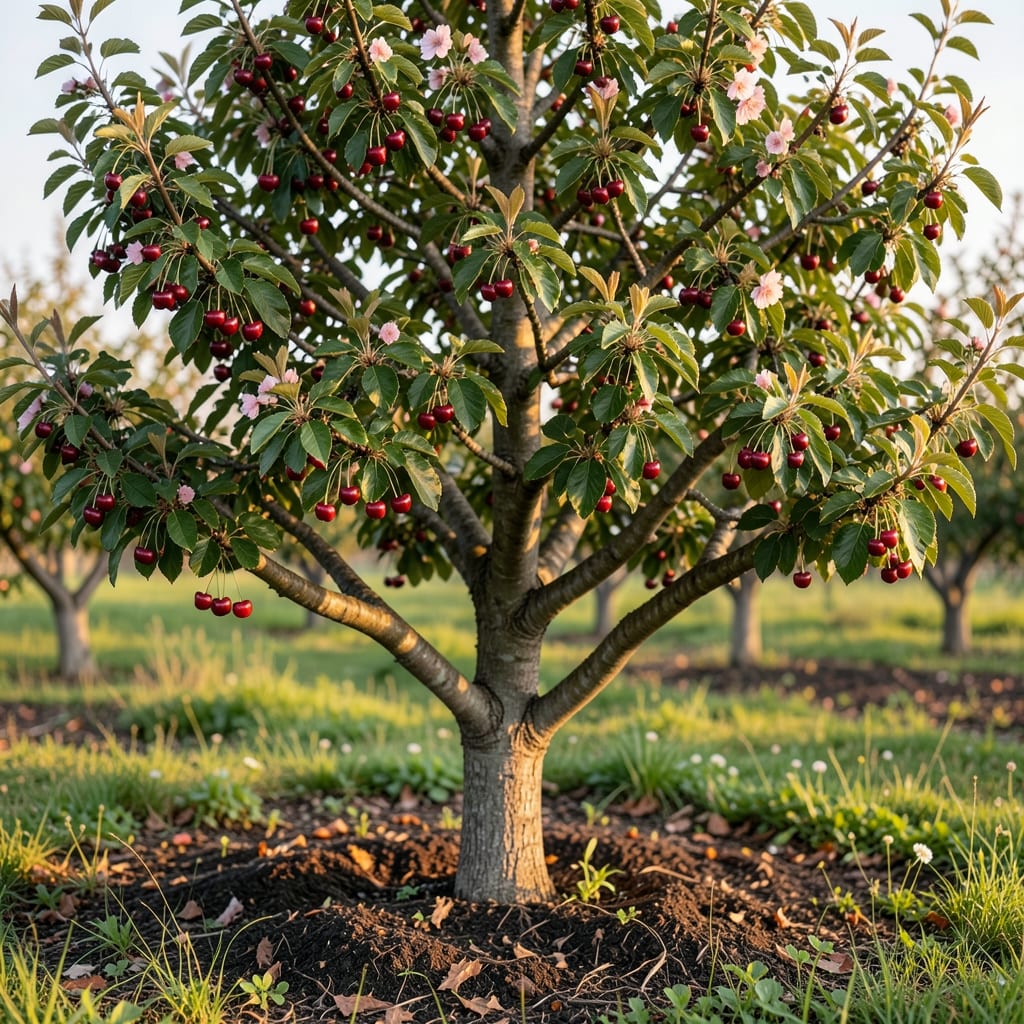
If you're wondering how tall do Bing cherry trees grow, the answer might surprise you—these trees can stretch from a manageable 8 feet in dwarf varieties to towering 25 feet in standard types. That’s the difference between a backyard staple and a small forest! Before you picture a cherry tree dominating your garden, let’s break down the key factors that determine their height and how you can shape their growth to fit your space.
Picture this: you’re planting a 🍒 Bing cherry tree in your 6a zone, dreaming of fresh summer fruit. But without knowing the right variety or care tips, you might end up with a tree that outgrows its welcome—or worse, struggles to thrive. The good news? With the right choices, you can enjoy a productive tree without sacrificing your yard’s layout. Whether you’re working with a small urban plot or a spacious rural garden, understanding these trees’ growth habits is the first step to success.
Standard Bing cherry trees often reach 20-30 feet at maturity, making them better suited for larger properties or orchards. But dwarf and semi-dwarf varieties—growing between 8-18 feet—are perfect for home gardens where space is limited. The key to controlling height lies in pruning, soil quality, and even the rootstock used during planting. Let’s explore how to pick the right size for your needs and keep it under control year after year.
From pruning techniques to soil prep, we’ll cover everything you need to know to grow a Bing cherry tree that fits your space—without sacrificing fruit production. Whether you’re a first-time gardener or a seasoned pro, these insights will help you make the most of your cherry-growing dreams. Ready to get started?

Bing cherry tree height by variety: standard vs dwarf vs semi-dwarf sizes
When you’re planning to grow a Bing cherry tree, one of the first questions is how tall do Bing cherry trees grow? The answer depends entirely on the variety you choose. Standard Bing cherry trees can reach an impressive 20-30 feet at maturity, making them better suited for rural properties or orchards. However, if you’re working with limited space, dwarf and semi-dwarf varieties offer much more manageable heights—typically between 8-18 feet. This variety range means you can enjoy fresh Bing cherries whether you have a sprawling backyard or a cozy urban garden.
The key to selecting the right size lies in understanding the rootstock used during grafting. Dwarf varieties are grafted onto smaller rootstocks like Gisela 5 or Gisela 6, which naturally restrict growth. Semi-dwarf varieties use rootstocks like Mahaleb or Montmorency, resulting in trees that are taller but still easier to manage than standard types. For example, a dwarf Bing cherry might only reach 8-12 feet, while a semi-dwarf could grow to 12-18 feet. This difference can make all the difference in a small garden.
Here’s a quick comparison to help you visualize the differences:
Choosing a dwarf or semi-dwarf Bing cherry tree is ideal if you’re working with limited space, but don’t assume smaller trees mean less fruit. In fact, dwarf varieties often produce fruit earlier and can be more productive per square foot of space. For example, a dwarf Bing cherry grafted onto Gisela 5 rootstock can begin bearing fruit as early as 2-3 years after planting, compared to 5-7 years for standard trees. This makes them a fantastic choice for impatient gardeners eager to enjoy their harvest.
If you’re planting in a USDA Zone 6a like many gardeners, consider the spread of the tree as well as its height. Standard Bing cherry trees can spread 15-20 feet wide, while dwarf varieties stay between 8-12 feet. This means you’ll need to account for both height and width when selecting a planting location. For urban gardens, a dwarf Bing cherry in a large container can work beautifully, provided it gets full sun (6-8 hours daily) and well-draining soil.
Another factor to consider is the pollination needs of your Bing cherry tree. While Bing cherries are self-pollinating, they produce more fruit—and larger fruit—when planted near a compatible pollinator like the Stella cherry or Lapins cherry. If you’re growing a dwarf variety, you’ll want to ensure the pollinator is also a dwarf or semi-dwarf to keep things manageable. For example, pairing a dwarf Bing with a dwarf Stella ensures both trees stay compact while maximizing fruit production.
When planting, always follow the 10-15 feet spacing rule for standard trees, but reduce this to 6-8 feet for dwarf varieties. This spacing ensures proper airflow, reducing the risk of fungal diseases like brown rot, which can stunt growth and reduce fruit quality. Proper spacing also makes pruning and harvesting much easier, especially as the tree matures. If you’re unsure about spacing, err on the side of giving your tree a little extra room—it’s easier to prune back later than to struggle with an overcrowded tree.
Finally, remember that even dwarf varieties can grow taller than expected if not pruned regularly. While rootstock plays a major role in height control, pruning techniques and soil fertility also influence how tall your Bing cherry tree becomes. For instance, over-fertilizing with nitrogen can lead to excessive leafy growth at the expense of fruit production, while poor soil drainage can stunt root development and limit overall growth. Balancing these factors ensures your tree stays within its expected height range while producing abundant, flavorful cherries.
Whether you’re dreaming of a towering standard Bing cherry or a compact dwarf variety, understanding these height differences will help you make the best choice for your garden. Next, we’ll dive into pruning tips to keep your Bing cherry tree at your desired height while maximizing fruit production. Ready to shape your tree’s growth?
Bing cherry tree height by variety: standard vs dwarf vs semi-dwarf sizes
Choosing the right Bing cherry tree variety is the first step to ensuring it fits your garden. Standard Bing cherry trees can reach 20-30 feet tall, making them ideal for orchards or large properties. But if you’re working with limited space, dwarf and semi-dwarf varieties offer more manageable options—typically 8-18 feet at maturity. The key difference lies in the rootstock used during grafting, which directly influences growth habits and fruit production.
For small gardens or urban yards, dwarf Bing cherry trees (grown on Gisela 5 or 6 rootstock) are the best choice. These varieties stay between 8-12 feet tall, making them perfect for containers or tight spaces. Semi-dwarf varieties, like those on Mahaleb or Colt rootstock, grow 12-18 feet tall—ideal for medium-sized backyards. Meanwhile, standard trees (often on their own roots) can dominate your landscape, requiring careful planning and pruning.
| Variety | Mature Height | Growth Rate | Best For |
|---|---|---|---|
| Standard (Own Roots) | 20-30 ft | Fast (3-5 ft/year) | Orchards, large properties |
| Semi-Dwarf (Mahaleb/Colt) | 12-18 ft | Moderate (2-4 ft/year) | Medium backyards |
| Dwarf (Gisela 5/6) | 8-12 ft | Slow (1-2 ft/year) | Containers, small gardens |
When selecting a Bing cherry tree, consider not just height but also spreading habits. Standard trees can spread 15-20 feet wide, while dwarf varieties stay compact at 8-10 feet. This means spacing matters—plant standard trees 20-25 feet apart, semi-dwarfs 15-20 feet apart, and dwarfs 10-15 feet apart to avoid overcrowding. Proper spacing ensures good airflow, reducing disease risk and improving fruit quality.
If you’re unsure which variety to choose, start with a semi-dwarf Bing cherry tree—it offers a balance between manageable size and productive fruit yields. These trees typically bear fruit within 3-5 years, making them a great investment for patient gardeners. For faster results, opt for a dwarf variety, though they may produce slightly smaller yields. Always check the rootstock type when shopping, as this determines long-term growth patterns.
One common mistake is assuming all Bing cherry trees will grow the same. In reality, pruning and soil conditions can influence height by up to 30%. For example, a standard tree grown in poor soil may stay shorter than expected, while one in rich, well-drained soil could grow taller. To maximize control, pair your chosen variety with regular pruning and balanced fertilization. This ensures your tree stays within your desired height range while producing abundant fruit.
For urban gardeners or those with limited space, container-growing is an option—especially with dwarf varieties. Use a large pot (at least 20 gallons) with drainage holes and a high-quality potting mix. Just remember, container-grown trees may need more frequent watering and protection from harsh winds. With the right care, even a small patio can become home to a productive Bing cherry tree.