
Plants
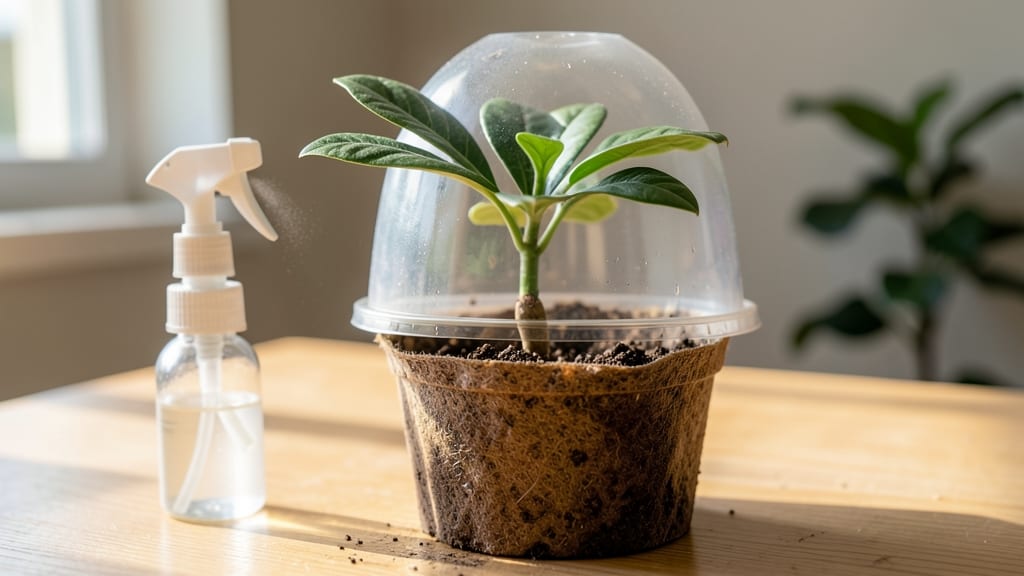
Planting your 🥑 avocado seed in soil at the wrong time can mean the difference between a thriving young tree and a sad, wilted experiment.
Unlike most plants, avocados are picky about when they get their first taste of dirt—indoors or out—and getting it right is the key to strong roots and steady growth.
If you're starting indoors, timing matters just as much as technique. Most gardeners begin the soil transition after 4-8 weeks of water germination, but rushing it can shock delicate roots.
Meanwhile, outdoor planting depends on your zone—Zone 6 growers should wait until after the last frost in spring, while warmer climates might handle it year-round.
What I’ve learned from years of growing these finicky trees is that patience pays off. Too early, and frost or cold snaps can kill your seedling; too late, and you risk stunted growth.
Let me walk you through the exact steps to plant your avocado seed at the perfect moment—whether you're nurturing it on a windowsill or prepping for outdoor life.
You’ll discover how to prepare the seed, choose the right soil, and care for your sapling in the weeks after planting. By the end, you’ll know exactly when to plant that avocado seed in soil for the best chance of success—no guesswork involved.
Optimal indoor planting timeline for avocado seeds: when to transition from water to soil
Planting your avocado seed in soil at the right time is crucial for strong root development. Most gardeners start by soaking the seed for 2-3 days to kickstart germination. Once sprouted, keep it in water until roots reach 3-4 inches—this usually takes 4-8 weeks depending on warmth and humidity.
Avocado seeds thrive in warmth (70-80°F) and need bright, indirect light. Place your seedling near a south-facing window or under a grow light to prevent leggy growth. If your seedling develops yellow leaves, it’s getting too much direct sun.
Here’s when to transition your seedling to soil: wait until you see 2-3 inches of healthy roots and a 1-2 inch stem. Rushing this step can shock delicate roots, so patience pays off. Use a well-draining potting mix to mimic outdoor conditions.
Step-by-Step Indoor Planting Timeline
- Week 1-2: Soak seed in water; place in warm, dark spot.
- Week 3-4: Move to bright light; roots should sprout.
- Week 5-6: Roots reach 2-3 inches; prepare soil mix.
- Week 7-8: Plant in soil; keep soil moist but not soggy.
- Week 9+: Fertilize lightly with diluted balanced fertilizer.
After planting, place your seedling in a humid environment (like a greenhouse or under a plastic dome) to reduce stress. Mist the leaves daily and avoid overwatering—root rot is a common issue for new seedlings. A south-facing window ensures consistent light, which is vital for photosynthesis.
Monitor your seedling’s growth closely. If it grows 1-2 inches per month, it’s thriving. If growth stalls, check for pests (like spider mites) or nutrient deficiencies. Yellowing leaves often signal overwatering or poor drainage.
Once your seedling reaches 6-12 inches tall (usually 3-6 months after planting), it’s ready for a larger pot. Use a 10-12 inch pot with drainage holes to support its growth. This stage is critical for building a strong root system before outdoor planting.
Indoor avocado seedlings need 6+ hours of sunlight daily. If natural light is limited, supplement with a grow light for 12-14 hours per day. Rotate the pot weekly to ensure even growth. Avoid drafts or temperature fluctuations, which can stress the plant.
By month 6, your seedling should resemble a miniature avocado tree. If it’s healthy, you’re ready to transition it outdoors—gradually—to avoid shock. Start by placing it in a shaded outdoor spot for a few hours daily, then increase exposure over 1-2 weeks.
Remember, avocado trees grown from seed may take 5-13 years to bear fruit, but proper indoor care sets the foundation for a lifelong garden project. Patience and consistency are key! 🌱
Outdoor planting schedule for avocado seedlings: climate-Zone-specific timing
Transplanting your avocado seedling outdoors requires careful timing to avoid frost damage or shock. In USDA Zones 9-11, you can plant year-round since these areas rarely experience freezing temperatures. However, gardeners in Zones 8 and below must wait until after the last frost date, typically mid-to-late spring.
For Zone 6a (like many northern U.S. regions), aim to transplant seedlings outdoors after April 15, when soil temperatures consistently stay above 60°F (15°C). Avocado seedlings thrive in warm climates and struggle with cold, so rushing the process risks stunted growth or death.
Before moving your seedling outside, harden it off over 7-10 days by gradually increasing its exposure to outdoor conditions. Start with 1-2 hours of sunlight daily and slowly extend the time to full sun. This adjustment helps the seedling adapt to direct sunlight and temperature fluctuations.
| Zone | Best Planting Window | Soil Temp Requirement | Key Consideration |
|---|---|---|---|
| Zones 9-11 | Year-round (avoid frost) | 60°F+ (15°C+) | No frost risk; ideal for warm climates |
| Zones 8 | After last frost (April-May) | 65°F+ (18°C+) | Hardiness varies; protect from light frost |
| Zones 6-7 | Late spring (May-June) | 70°F+ (21°C+) | Must wait for stable warmth; high frost risk |
| Zones 5 and below | Not recommended (too cold) | N/A | Grow as houseplant only; outdoor survival unlikely |
When planting outdoors, choose a sunny location with well-draining soil to prevent root rot. Avocado trees need 6+ hours of sunlight daily, so avoid shaded spots. Amend your soil with compost or perlite to improve drainage, especially if your native soil is heavy or clay-like.
After transplanting, water your seedling deeply but infrequently to encourage root growth. Aim for 1-2 gallons of water weekly, adjusting based on rainfall and temperature. Mulch around the base with organic matter like wood chips to retain moisture and regulate soil temperature.
Monitor your seedling closely for signs of stress, such as yellowing leaves or wilting. These could indicate overwatering, undersun, or poor drainage. Adjust your care routine accordingly to help your avocado seedling establish strong roots and thrive in its new outdoor home.