
Plants
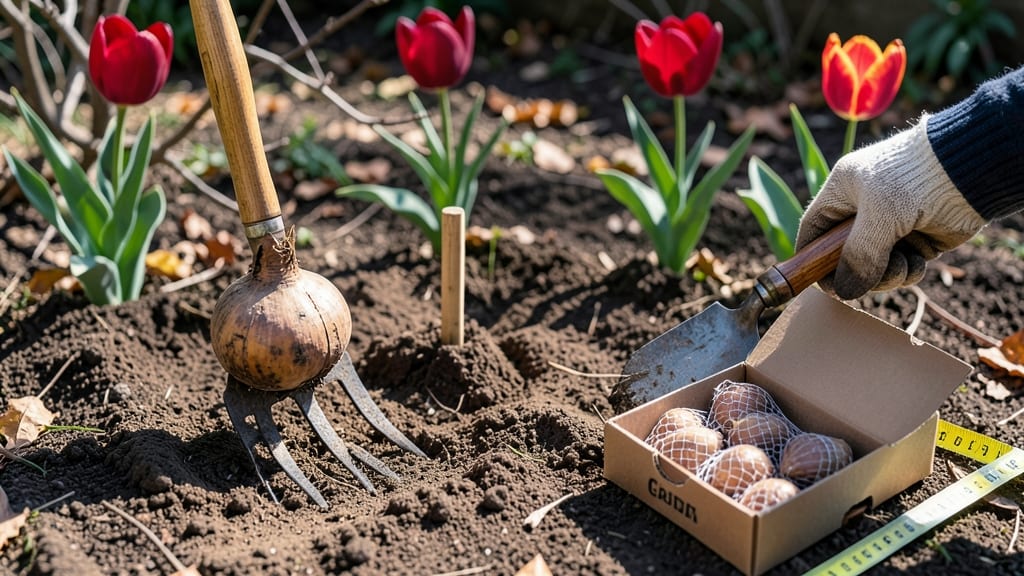
Timing your tulip planting in Kentucky isn’t just about the calendar—it’s about beating the first frost by just a few weeks. If you wait too long, your 🌷 bulbs risk rotting in cold, soggy soil before they even get a chance to root.
But get it right, and you’ll reward yourself with bold spring blooms that steal the show.
Most gardeners in USDA Zone 6a (like Kentucky) know fall is the magic window, but the exact planting deadline depends on your microclimate. Whether you’re in the Bluegrass region or the Cumberland Plateau, soil temperatures and frost dates shift your ideal window by 2-4 weeks.
Let’s break down the precise timing—and why rushing or delaying can make all the difference.
You’ll learn how to read your local frost forecast, prep soil for winter dormancy, and choose the best tulip varieties for Kentucky’s chill. Spoiler: Darwin Hybrids thrive here, but Parrot tulips?
They need extra care. By the end, you’ll know exactly when to dig—and why October 15 isn’t just a date, but your garden’s saving grace.
Skip the guesswork. Planting at the right moment means fewer failed blooms and more vibrant spring color. Let’s get those bulbs in the ground before the first hard freeze hits.
Kentucky tulip planting deadlines by zone 5a vs 6a: the exact window
Kentucky’s USDA zones 5a and 6a create a 4-week difference in your tulip planting window. In zone 6a (common in Louisville and Lexington), you’ve got until mid-November to plant, while zone 5a gardeners (like those in northern Kentucky) must finish by early November to avoid bulb rot.
These deadlines hinge on soil temperatures dropping below 40°F—the point where tulip bulbs enter dormancy.
Miss the window, and your bulbs may sprout too early in spring, only to be nipped by late frosts. Aim to plant when daytime temps average 60°F and nights dip into the 40s°F.
This typically lands in late October for zone 6a and early October for zone 5a, but always check your local frost date forecasts for precision.
Here’s the critical timeline for Kentucky gardeners, broken down by zone and soil conditions:
| Zone | Ideal Planting Window | Soil Temp Threshold | Hard Deadline | Risk After Deadline |
|---|---|---|---|---|
| Zone 5a (Northern KY) | October 1–15 | 40–50°F | November 1 | Bulb rot from winter moisture |
| Zone 6a (Central/Southern KY) | October 15–31 | 40–50°F | November 15 | Early sprouting, frost damage |
| Both Zones | September 15–October 1 | 60°F+ | Early planting (risky) | Bulbs may sprout, then die in heat |
Pro tip: Use a soil thermometer to confirm your garden’s readiness. Bury it 6 inches deep (the depth you’ll plant tulip bulbs) and wait until temps consistently stay below 60°F before digging. This small step prevents the #1 mistake Kentucky gardeners make—planting too early when soil is still warm.
For zone 5a gardeners, prioritize early October planting if your soil drains poorly. Clay-heavy areas (common in Pennyrile Region) hold moisture longer, increasing rot risk. Amend with compost or sand to improve drainage before planting.
In zone 6a, you’ve got a little more wiggle room, but don’t wait past mid-November—bulbs need 6–8 weeks of cold to bloom reliably.
Test your soil’s drainage speed with a simple experiment: Dig a hole, fill it with water, and time how long it takes to drain. If it takes more than 2 hours, your soil needs amendment.
Tulips hate soggy roots, so prioritize well-draining spots like raised beds or slopes if your yard is prone to winter waterlogging.
Once planted, mulch heavily with 4–6 inches of straw or leaves to insulate bulbs from freeze-thaw cycles. This is especially critical in zone 5a, where temps can swing from 30°F to 50°F in a single week.
Mulch acts as a natural temperature buffer, protecting bulbs from the stress that leads to poor blooms or no blooms at all.
Remember: Tulip bulbs need cold, but they also need protection from extreme cold. The goal is to mimic their natural Mediterranean climate—cool winters with consistent chilling, not deep freezes.
In Kentucky’s harshest winters (like 2021’s polar vortex), add an extra layer of mulch or even a lightweight frost blanket over bulbs in zone 5a for the first month after planting.
Finally, mark your planting date on a calendar and set a reminder for early spring care. Once shoots emerge (usually late February to early March), remove mulch and fertilize lightly with a balanced 10-10-10 to encourage robust blooms.
This small step ensures your Kentucky-grown tulips outperform store-bought bouquets every spring.
5 Microclimate factors that change your Kentucky tulip planting date
Kentucky's diverse geography means your tulip planting deadline could shift by 2-4 weeks depending on where you live. The Bluegrass Region might have one schedule, while the Cumberland Plateau follows another. Let's break down the key factors that determine your exact planting window.
First, elevation changes everything. Higher areas like the Daniel Boone National Forest (2,000+ ft) freeze 2-3 weeks earlier than Louisville's flatlands. This means mountain gardeners should plant bulbs by mid-October, while lowland areas can wait until early November.
🌷
1. Soil Temperature Thresholds
Tulips need soil temps between 40-50°F to root properly. Use a soil thermometer—if temps drop below 40°F, plant immediately or bulbs risk dormancy failure.
2. Urban Heat Islands
Cities like Lexington and Louisville stay 5-10°F warmer than rural areas. This extends your planting window by 1-2 weeks—check your last frost date from a local weather station, not a generic zone map.
3. Lake Effects
Near Kentucky Lake or Cumberland River? Water bodies delay frost by 10-14 days. Plant late October in these areas—just monitor for sudden cold snaps that can freeze soil overnight.
4. Soil Drainage
Heavy clay soils (common in Western KY) drain poorly and freeze faster. Amend with compost or sand to improve drainage, then plant 2 weeks earlier than the zone average to compensate for slower soil warming.
5. Wind Exposure
Open fields (like Mammoth Cave area) freeze 3°F faster than sheltered gardens. If your yard is windy, plant 10-14 days earlier or use windbreaks like evergreen hedges to protect bulbs.
To find your exact planting date, check the National Weather Service for your county's 32°F frost probability. Plant bulbs 4-6 weeks before that date—this gives roots time to establish before winter sets in.
Pro tip: Mark your calendar for October 15th (average first frost in most of KY). If you're in Zone 5a, aim to finish planting by then. For Zone 6a, you have until November 1st—but don't wait too long!
✂️